
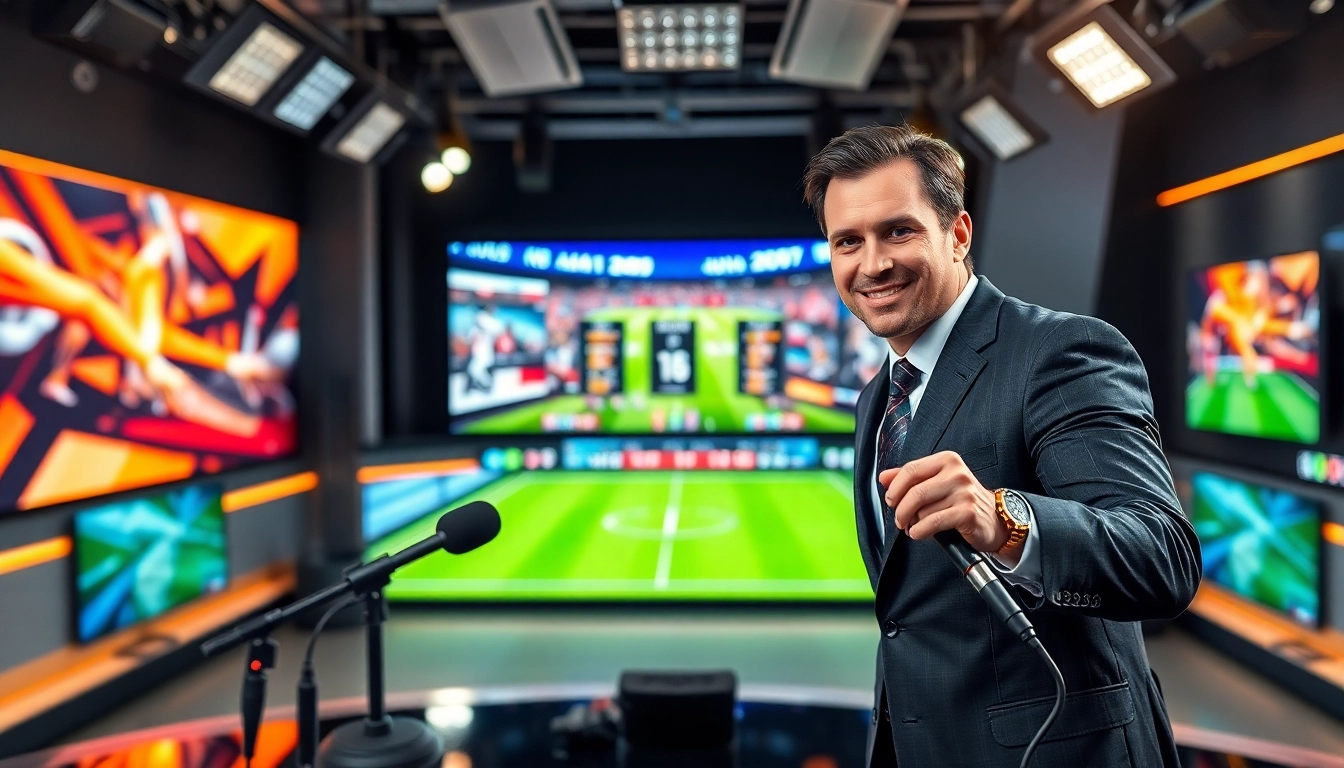
Understanding the Fundamentals of Sports Broadcasting
Sports broadcasting is a vital industry that connects fans with their favorite athletic events across the globe. It encompasses various aspects, such as live coverage, commentary, and production elements, all designed to enhance the viewing experience. Sport engages audiences like few others, prompting a diverse range of roles and responsibilities within the broadcasting arena. For those looking to develop their skills and understanding of this field, exploring its core elements is essential. A strong foundation in Sports Broadcasting will not only improve one’s performance but also help broadcast professionals stay competitive in an ever-evolving environment.
Key Roles in Sports Broadcasting
Within the realm of sports broadcasting, several key roles contribute to the success of a broadcast. Each position plays a unique part in ensuring the smooth transmission of sports events to viewers.
- Play-by-Play Announcer: This individual provides a real-time account of the action, keeping viewers engaged and informed as the events unfold.
- Color Commentator: Enhancing the play-by-play, the color commentator offers insights, analysis, and expert commentary, enriching the broadcast experience.
- Producer: In charge of the broadcast's overall execution, the producer coordinates various segments, manages the crew, and ensures everything is running smoothly.
- Technical Director: This role involves managing the technical aspects of the broadcast, including camera angles, graphics, and sound, ensuring high-quality output.
- Reporter: Anchoring pre-game and post-game coverage, reporters gather and present news about teams, players, and game-related facts, further engaging the audience.
Essential Equipment for Live Coverage
Successful sports broadcasting relies heavily on the equipment used during live coverage. Investment in high-quality tools can drastically enhance viewer experience. Here’s a look at essential equipment:
- Cameras: Multiple high-speed cameras are required to capture various angles, providing viewers with a complete perspective on the action.
- Microphones: Quality microphones help to capture clear audio, essential for commentary, interviews, and the ambient sounds of the game.
- Broadcast Equipment: This includes video switchers, routers, and encoders that facilitate seamless transitions and high-quality streaming.
- Graphics Software: Broadcast graphics enhance storytelling through advanced stats and analytics which are integrated into the transmission.
- Streaming Services: Collaborations with streaming platforms extend the reach of broadcasts, connecting with a global audience.
Types of Sports Broadcasting Formats
There are various formats of sports broadcasting that cater to different types of audiences and viewing preferences:
- Live Events: Broadcasting games as they happen remains the most popular format, allowing fans to experience events in real-time.
- Highlight Shows: These programs summarize key moments of games, providing analysis and insights, keeping fans updated without needing to watch every game.
- Sports News Programs: These broadcasts focus on the latest news, interviews, and discussions, providing context for ongoing events and issues in the sports world.
- Documentaries: Offering deeper insights into specific athletes, teams, or events, they entertain while enhancing the knowledge of dedicated fans.
Crafting Captivating Sports Broadcasting Content
Creating engaging content in sports broadcasting goes beyond simply reporting scores; it's about connecting with the audience. This section explores methods for crafting compelling sports broadcast content.
Researching Your Audience
Understanding the audience is paramount. Researching demographics, preferences, and viewing habits allows broadcasters to tailor content effectively. Techniques may include:
- Conducting surveys or polls about what fans wish to see.
- Analyzing social media trends and engagement metrics to understand audience interests.
- Monitoring competing broadcasts to identify successful engagement tactics.
Writing Compelling Scripts and Commentary
A well-crafted script lays the foundation for a successful broadcast. Here are tips for writing strong scripts and commentary:
- Maintain clarity and precision, ensuring that commentary is easy to understand while being rich in information.
- Incorporate storytelling techniques to humanize athletes and make the game more relatable to viewers.
- Use descriptive language that paints vivid pictures of the action for those watching from home.
Practicing Effective Delivery Techniques
The delivery of commentary is just as crucial as the content itself. Broadcasters should strive for effective delivery through:
- Vocal variation, adjusting tone and pace to match the excitement of the game.
- Body language and facial expressions, even for radio broadcasters, conveying enthusiasm and engagement.
- Practicing with peers to receive constructive feedback about pacing and clarity.
Engaging with Audiences Through Sports Broadcasting
Audience engagement extends beyond traditional broadcasting methods. The following strategies can help foster better connections with viewers.
Utilizing Social Media for Interaction
Social media has revolutionized audience interaction. Broadcasters should aim to:
- Share behind-the-scenes content, fostering a more personal connection with followers.
- Engage fans through live Q&A sessions and polls, allowing them to participate actively.
- Utilize platforms like Instagram and Twitter for instant updates and real-time interaction during live broadcasts.
Building Community Engagement Strategies
Creating a community around a sports broadcast can significantly enhance viewer loyalty:
- Hosting events or watch parties can bring fans together, fostering community spirit.
- Creating forums or fan groups encourages discussions and interactions between viewers.
- Offering contests and giveaways incentivizes engagement and sharing among audience members.
Gathering Viewer Feedback and Insights
Audience feedback is crucial for continuous improvement. Broadcasters can gather insights by:
- Conducting post-broadcast surveys to ascertain audience satisfaction levels.
- Encouraging open dialogue on social media platforms to receive direct feedback from viewers.
- Analyzing viewership data and trends to identify what elements elicit positive reactions.
Mastering Technology in Sports Broadcasting
The integration of technology has reshaped sports broadcasting. Mastering the latest tools and platforms is essential for success.
Understanding Live Streaming Platforms
With the rise of digital platforms, understanding the various streaming options available is critical. Broadcasters should:
- Familiarize themselves with the unique features of different streaming services.
- Ensure robust internet connectivity to prevent interruptions or quality degradation during broadcasts.
- Explore subscription models or ad-based services to monetize content effectively.
Integrating Advanced Graphics and Data
Advanced graphics and real-time data can enrich broadcasts, making them more informative:
- Incorporate player stats and game analytics to enhance the viewing experience.
- Create visually appealing graphics that are easy to read and understand during high-speed action.
- Form partnerships with data analytics firms for accurate and up-to-date information during the broadcast.
Measuring Broadcast Quality and Metrics
Tracking metrics is essential for evaluating broadcast quality and viewer engagement. Professionals should focus on:
- Monitoring viewership numbers to determine audience growth and retention.
- Analyzing engagement metrics to assess what segments are performing well.
- Conducting quality assurance checks regularly to ensure that technical components function smoothly.
Future Trends in Sports Broadcasting
The landscape of sports broadcasting continues to evolve with technological advancements. Understanding emerging trends is vital for staying competitive:
The Impact of Virtual Reality on Viewership
Virtual reality is transforming the way viewers experience sports. This technology allows fans to:
- Experience games as though they are inside the stadium, enhancing the overall emotional connection.
- Interact with 3D models of players, providing immersive viewing experiences.
- Engage in real-time scenarios, making sports consumption more interactive.
Exploring AI and Automation in Broadcasting
Artificial intelligence and automation are streamlining broadcasting processes:
- AI-driven analytics can make real-time adjustments to broadcasts based on audience engagement.
- Automated processes can streamline production, improving delivery speed and accuracy.
- Natural language processing can enhance commentary quality, enabling more nuanced analyses.
Staying Ahead in an Evolving Industry
To remain relevant in the evolving sports broadcasting landscape, professionals must:
- Continuously invest in education, staying updated on the latest technologies and trends.
- Build robust networks, allowing for the sharing of insights and collaboration with peers.
- Adapt to changing viewer preferences, ensuring content remains fresh and engaging.
Frequently Asked Questions
What are some common roles in sports broadcasting?
Key roles include play-by-play announcers, color commentators, producers, technical directors, and reporters, each contributing uniquely to broadcasts.
What type of equipment is essential for sports broadcasting?
Essential equipment includes high-speed cameras, quality microphones, broadcast equipment, graphics software, and access to streaming services for wider reach.
How can social media enhance sports broadcasting?
Social media allows for real-time interaction, sharing behind-the-scenes content, and engaging with fans through live Q&As and polls, enhancing viewer connection.
What future trends are affecting sports broadcasting?
Trends such as virtual reality experiences, AI integration, and advanced analytics are reshaping how broadcasts are produced and consumed.
How can I improve my sports broadcasting skills?
Improving skills involves researching audiences, practicing delivery techniques, engaging with viewers, and continuously learning about technology and industry trends.